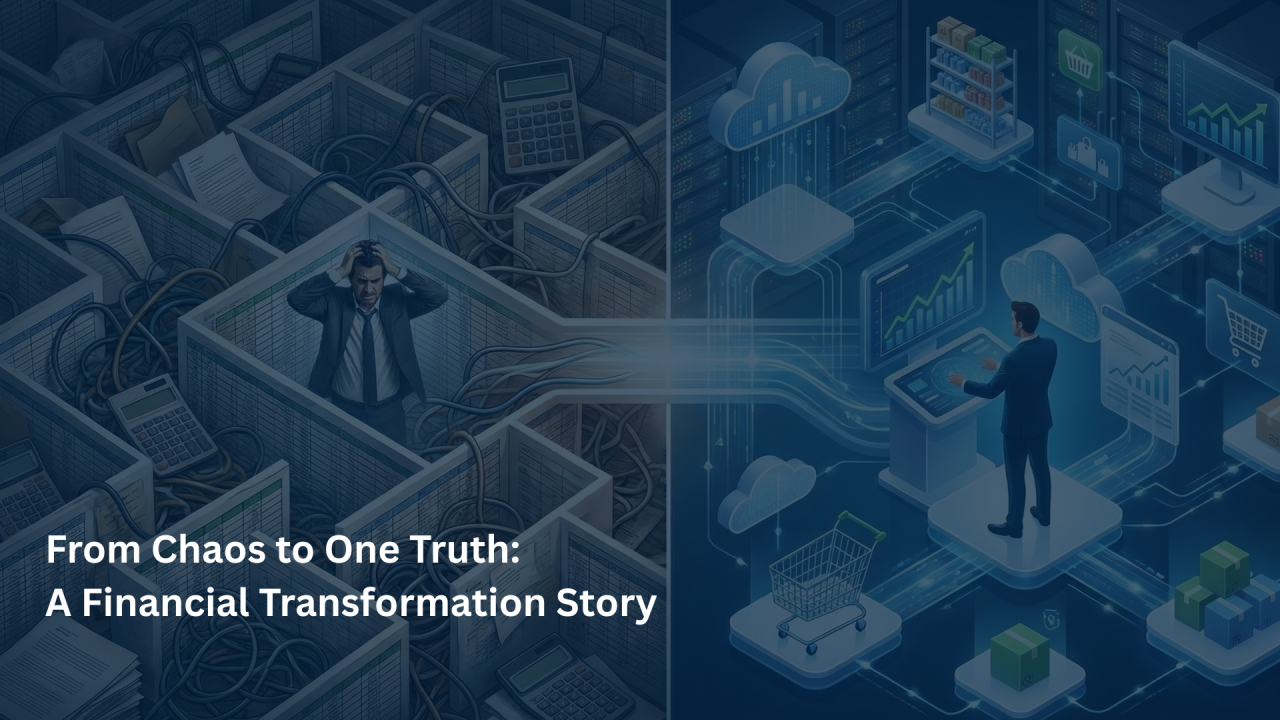
As organizations accelerate their digital transformation efforts, technology spending has become one of the most significant contributors to operational costs. IT today operates as a company‑wide business platform—shaping every user journey and every outcome.
But as IT’s influence grows, so does the complexity of understanding, allocating, and controlling technology-related expenses. This is why IT Cost Management has become a strategic priority for modern businesses.
1. What Are IT Costs?
IT costs represent all technology-related investments that enable a business to operate efficiently and securely. These expenses typically fall into several key categories:
1. People
IT talent forms the backbone of technology operations. This category includes:
- IT staff salaries
- Contractorssupporting specific operational needs
- Outsourced / managed servicessuch as infrastructure, cloud, or cybersecurity management
2. Technology
These costs reflect the tools, platforms, and systems that enable the business:
- Hardware(laptops, servers, network devices)
- Software(licensed applications, business tools)
- Cloud services(SaaS, PaaS, IaaS platforms)
- Network & telecom(connectivity, voice/data services)
- Security tools(firewalls, IAM, endpoint protection, etc.)
3. Operations
Essential day‑to‑day IT activities fall under this category:
- Helpdesk & support
- Monitoring & ITSM tools
- Backup & disaster recovery
- Data centre operations
- Vendor support contracts
4. Projects & Change
This category covers investments that enable transformation and innovation:
- Project labour
- Consulting partners
- Transformation programmes(cloud migration, ERP upgrades, modernization efforts)
- Innovation & development(emerging technologies, pilots, prototyping)
2. Why Is IT Cost Management So Important?
The IT function provides services to the entire organization, which makes it essential to distribute IT costsfairly and consistentlyacross all departments.
However, fair allocation alone is not enough. It is equally critical to ensurefull transparencyaround:
- what the cost items are,
- how they are calculated, and
- how they are assigned to departments.
Without this transparency, departments may resist certain cost allocations—especially when they involve indirect or shared expenses that are not immediately visible in daily operations.
This often leads to situations where, once departmental profitability reports are published, some teams respond with:
“This doesn’t belong to our department.”
Such reactions generally arise because stakeholders do not clearly understand the indirect IT services that support their operations behind the scenes.
Transparent cost models help prevent this disconnect by making sure all stakeholders share the same understanding of how technology supports the business and how costs are formed.
3. The Future of IT Costs
Technology spending continues to rise as organizations expand cloud adoption, strengthen cybersecurity, automate operations, and integrate AI into core processes. This evolution brings several financial implications, including:
- Higher recurring software and cloud subscription costs
- More complex multi‑vendor and multi‑cloud environments
- Growing security and compliance demands
- Continuous modernization and lifecycle management needs
At the same time, sustainability expectations are reshaping technology strategies. AI and data‑intensive workloads increase energy consumption, makingGreen IT, carbon‑aware operations, and responsible resource usage essential parts of IT cost planning.
In this landscape, the challenge is no longer just reducing spend — it’s gaining clear visibility intowhat drives costs and how they create value.
Why Transparency Matters
A transparent IT cost model helps organizations:
- Make informed and value‑based investment decisions
- Strengthen alignment between IT and business units
- Minimize unexpected spending and departmental resistance
- Improve accountability and profitability
- Support modernization and sustainability goals
Cost transparency has become astrategic capability, not just a finance practice.
Conclusion
As technology shapes every business function, understanding how IT costs are structured and allocated is essential for profitability and long‑term transformation.
A clear, transparent, and department‑aware model strengthens decision‑making, reduces friction, and supports sustainable growth.
In today’s digital landscape, effective IT cost management is not optional — it’s foundational.