Green IT: Why Your IT Infrastructure Matters More Than You Think
Digital transformation has changed the way businesses operate. Cloud platforms, data centres, AI solutions, remote work infrastructure, and enterprise systems have become essential for daily operations. But while technology drives efficiency and innovation, it also creates a growing environmental footprint.
This is where Green IT becomes critical.
What is Green IT?
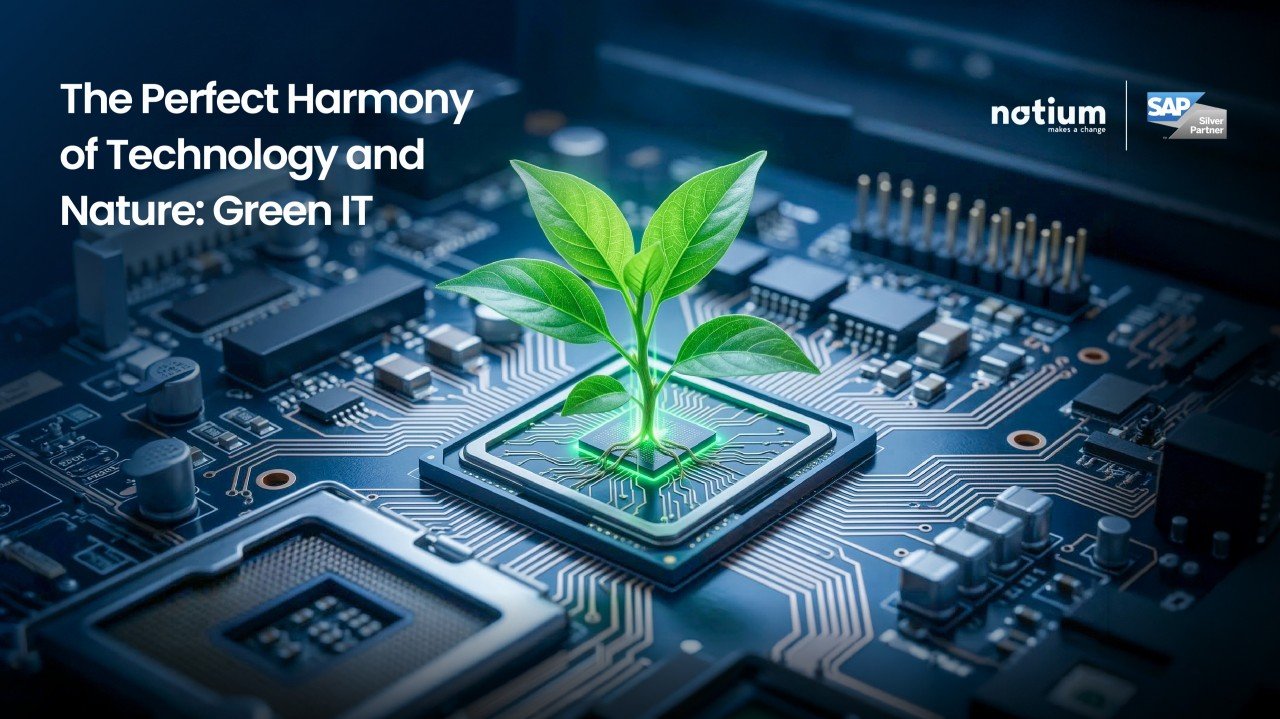
Green IT (or Green Computing) is the practice of using computers and IT resources in an environmentally responsible and optimised way. It focuses on three core objectives:
- Reducing hazardous materials in hardware manufacturing and disposal
- Increasing energy and cost efficiency across all IT operations
- Promoting proper recycling habits for end-of-life equipment
It’s about making conscious decisions at every stage of technology’s lifecycle—from design to disposal.
Why It Matters Now
The 24/7 Reality: Modern businesses depend on server networks that run continuously. Data centres require power around the clock, resulting in significant CO₂ emissions. As our reliance on IT systems grows, so does our energy consumption.
Stakeholder Pressure: Customers, investors, and regulators are demanding greener operations. Companies that ignore environmental impact risk losing a competitive advantage.
The Bottom Line: Energy efficiency doesn’t just reduce emissions—it cuts costs too.
Understanding IT’s Environmental Impact
The Greenhouse Gas Protocol categorises emissions into three scopes:
Scope 1 – Direct Emissions: Company-owned sources like servers and storage, backup generators
Scope 2 – Indirect Energy: Purchased electricity for data centres, cooling systems, and office IT
Scope 3 – Value Chain: Manufacturing, transportation, and disposal of IT equipment
For most organisations, Scope 2 (purchased electricity) represents the largest portion of IT emissions.
Key Benefits of Green IT
✓ Cost Reduction: Lower energy bills through optimised resource utilisation
✓ Competitive Advantage: Attract sustainability-conscious customers and investors
✓ Risk Mitigation: Stay ahead of emerging environmental regulations
✓ Operational Efficiency: Identify and eliminate wasteful IT practices
✓ Talent Attraction: Appeal to employees who value environmental responsibility
✓ Transparency: Build stakeholder trust through measurable progress
The Path Forward
Green IT isn’t a destination—it’s a continuous journey of improvement. The challenge isn’t recognising its importance, but implementing it effectively. This requires cultural shifts, new metrics, and tools that provide visibility into environmental impacts alongside financial measures.
In our next blog, we’ll explore how SAP Profitability and Performance Management (PaPM) enables effective IT cost management—the foundation for integrating environmental accountability into business operations.
#GreenIT #Sustainability #ITManagement #DigitalTransformation #ESG